Discover How Repiping Provider Can Transform Your Pipes System right
Repiping solutions play a vital role in preserving a home's pipes system. They entail changing old or damaged pipes to enhance total capability. Home owners might discover different indications indicating the requirement for such services. Understanding these indicators and the advantages of repiping can greatly improve water top quality and stress. Yet, many continue to be uninformed of the different materials and processes included. Exploring these elements discloses truth capacity of a recently repiped system.
What Is Repiping and When Is It Needed?
Repiping refers to the procedure of replacing old or damaged pipes in a plumbing system, which is typically essential when the existing pipes have deteriorated due to age, rust, or leaks. This treatment is crucial for keeping the honesty and performance of a plumbing system. With time, pipelines can develop issues that jeopardize water circulation and quality, leading to possible health and wellness hazards and costly repair services.
Repiping may include different products, including copper, PEX, or PVC, each chosen based on particular needs and neighborhood building ordinance. Property owners might think about repiping when frequent repairs are required, water stress is regularly low, or there are recognizable tarnished or foul-smelling water concerns. By resolving these worries with repiping, individuals can boost the overall efficiency of their plumbing systems, reduce the threat of future failures, and inevitably save on lasting upkeep costs.
Signs You May Demand Repiping Providers
When pipes problems begin to materialize, such as relentless leaks, low tide stress, or tarnished water, it might indicate the need for repiping solutions. Homeowners may notice constant pipeline ruptureds or rust, which can cause significant damages otherwise addressed quickly. Additionally, if water stains appear on wall surfaces or ceilings, this could represent surprise leakages that require prompt attention. Unusual sounds, like gurgling or banging pipelines, can also mean underlying troubles.
Another sign is the visibility of mold or mold, frequently resulting from wetness brought on by leaking pipelines. If the home has older pipes, particularly galvanized steel or polybutylene pipelines, the danger of deterioration rises. If water top quality diminishes, leading to unpleasant odors or preferences, it's important to consult a specialist. Acknowledging these signs early can assist home owners stay clear of much more comprehensive damages and expensive repair services.
Advantages of Repiping Your Home
Considering the age and problem of pipes systems, numerous homeowners locate that repiping offers considerable benefits. Among the key benefits is enhanced water quality; older pipes might nurture corrosion and contaminants, while new materials assure cleaner, more secure water - Houston Repiping Experts. Repiping additionally improves water stress, permitting a more rewarding experience when utilizing showers or taps, as old, corroded pipelines often limit circulation
Additionally, repiping removes leakages, minimizing the danger of water damage and mold and mildew development within the home. This positive strategy can lead to reduced water expenses, as house owners will not be shedding water through hidden leaks. Additionally, modern-day piping materials are a lot more immune and resilient to future issues, offering comfort. Generally, repiping not only updates a home's pipes system but additionally offers lasting cost financial savings and increased residential or commercial property value, making it a sensible financial investment for house owners encountering pipes challenges.
Different Kinds of Piping Materials
When considering repiping options, property owners must assess numerous piping materials offered on the market. Copper piping is understood for its resilience and resistance to corrosion, while PEX offers versatility and ease of installment. Furthermore, PVC pipeline offers details applications, especially in water drainage and airing vent systems.
Copper Piping Advantages
Although different products are offered for pipes systems, copper piping continues to be a leading selection as a result of its numerous benefits. Prominent for its resilience, copper can endure high temperature levels and is resistant to corrosion, making sure a long lifespan. In addition, copper has all-natural anti-bacterial buildings, which aid maintain water high quality by preventing the growth of hazardous microorganisms. Its malleability enables easy setup, making it suitable for numerous pipes setups. Copper pipes also have a high resale value, enhancing the general well worth of a property. They are recyclable, making them an environmentally pleasant option. In general, the combination of strength, health advantages, and sustainability strengthens copper piping's reputation as a trusted option for pipes systems.
PEX Pipe Advantages
In addition to copper piping, PEX (cross-linked polyethylene) has actually gotten appeal as a reliable alternative in modern plumbing systems. Its versatility allows for easier setup, especially in limited spaces, decreasing the requirement for joints and fittings that can be vulnerable to leaks. PEX is additionally immune to corrosion and scale build-up, which improves its durability contrasted to typical materials. In addition, it can hold up against reduced temperatures, making it suitable for various climates. The material is light-weight, making transport and dealing with easier. PEX piping is less noisy than metal pipelines, decreasing water hammer seems. On the whole, these advantages make PEX an attractive choice for homeowners seeking durable and effective plumbing services.
PVC Pipeline Applications
PVC (polyvinyl chloride) pipelines are extensively utilized in numerous pipes applications due to their adaptability and cost-effectiveness. Commonly employed in industrial and domestic setups, PVC pipes serve in drainage systems, garbage disposal, and venting. Their light-weight nature assists in easy installation, while their resistance to rust and chemicals warranties long life. Additionally, PVC is an exceptional option for irrigation systems, as it can hold up against differing soil conditions and stress levels. In safe and clean water systems, nonetheless, its use is much less typical because of regulatory restrictions. In spite of this limitation, PVC remains a prominent option for many pipes jobs, using a trusted solution for both brand-new building and constructions and repiping efforts, making it an essential product in modern-day plumbing framework.
The Repiping Process Explained
When a plumbing system shows indications of degeneration, the repiping process becomes vital to recover its capability and stability. This process commonly begins with a detailed analysis of the existing pipes to determine the extent of the damages. Once the analysis is total, a plan is created to change old, rusty pipes with new products, typically selecting in between copper, PEX, or PVC.
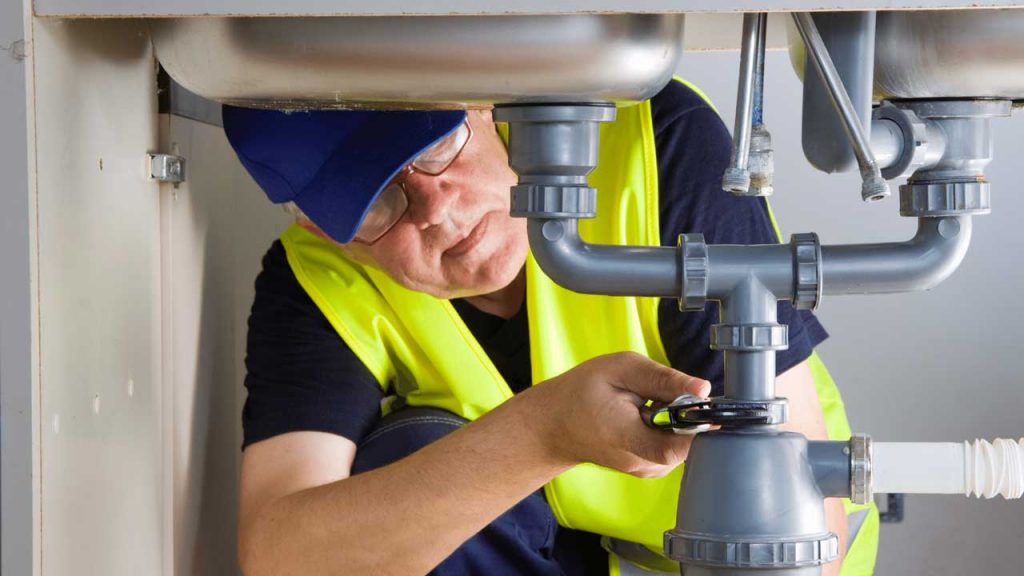
Ultimately, the system undergoes testing for leakages and capability. After verifying that whatever runs correctly, the walls are fixed, and the location is recovered to its initial condition, finishing the repiping procedure.
How Repiping Can Enhance Your Home's Worth
Repiping offers substantial advantages that can improve a home's general value, specifically as prospective buyers increasingly seek modern-day and trustworthy plumbing systems. Homes with obsolete or deteriorating pipelines frequently deter potential purchasers, that may fret about pricey repairs or health and wellness concerns originating from corrosion, leaks, or contamination. By buying repiping, homeowners can get rid of these issues, offering a properly maintained home that meets contemporary criteria.
In addition, repiping can lead to better water pressure and top quality, elements that substantially appeal to purchasers. A pipes system that functions effectively and reliably usually converts to decrease upkeep prices, including in the property's appearance. In addition, repiping can modernize a home's visual charm by changing undesirable pipelines with more recent materials. Inevitably, a well-executed repiping job not just safeguards a home's framework but likewise offers as a strong selling point, making the residential property much more affordable in a dynamic realty market.
Picking the Right Pipes Expert for Repiping
Selecting the ideal pipes expert for repiping includes careful factor to consider of their credentials and experience. House owners must also seek comprehensive cost estimates to guarantee they understand the financial effects of the project. Making educated choices in these areas can bring about a successful repiping experience.
Qualifications and Experience
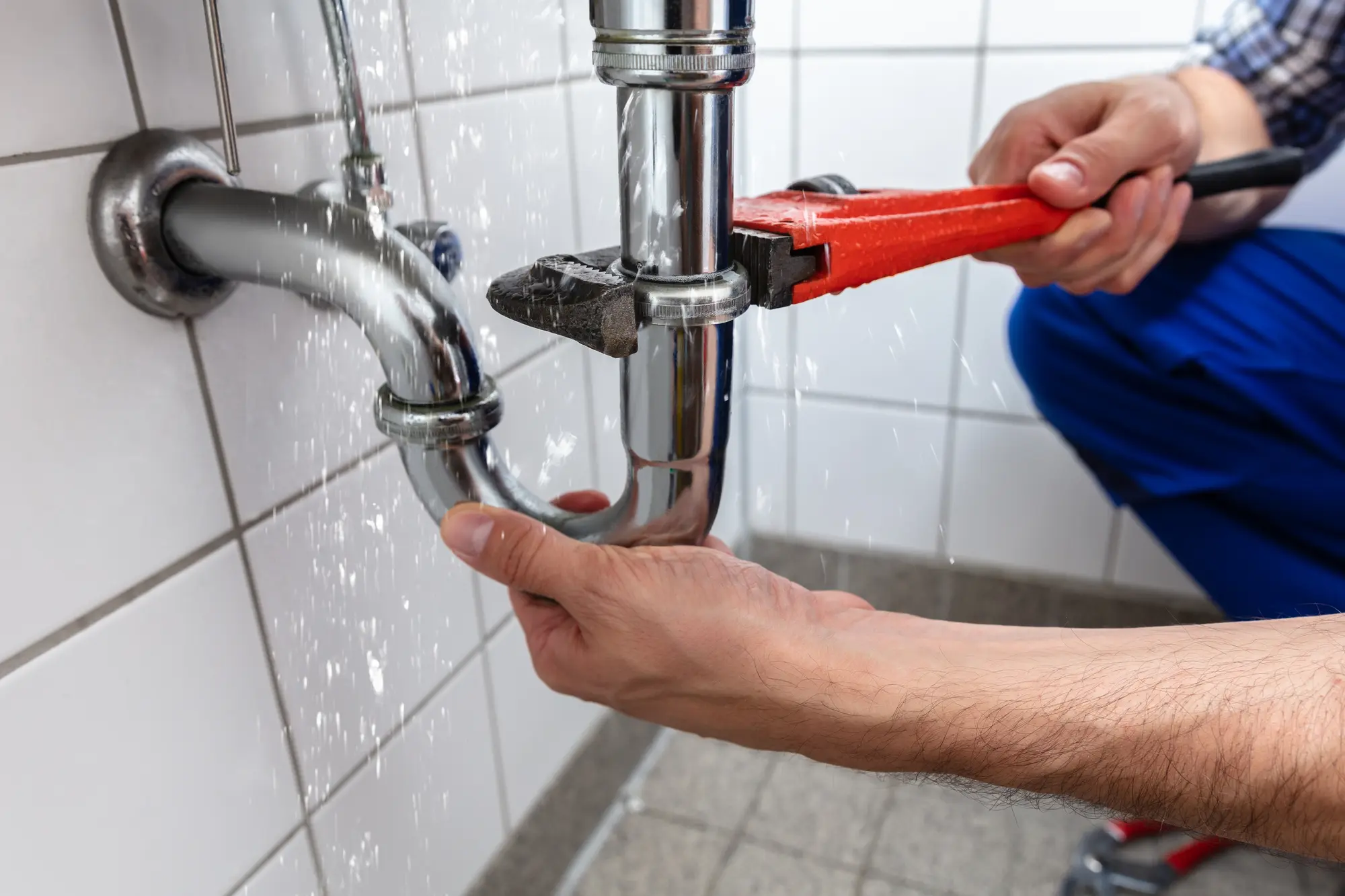
Choosing a qualified plumbing specialist for repiping is important to ensuring an effective task. Qualifications play a considerable duty in figuring out a plumbing's proficiency; accredited experts have actually fulfilled details training and regulatory standards. In addition, qualifications from recognized companies can show sophisticated knowledge and skills in pipes systems. Experience is similarly important; skilled plumbings have actually likely run into diverse difficulties, refining their analytical abilities. Property owners must make inquiries about past projects, requesting references to determine contentment degrees amongst previous clients. A professional's familiarity with numerous products and strategies, in addition to their capacity to stay upgraded on industry innovations, even more improves their reliability. Eventually, choosing a plumbing professional with solid qualifications and ample experience fosters confidence in the repiping process and its outcomes.
Expense and Quotes
While examining the price of repiping solutions, homeowners have to think about numerous aspects that affect rates. These factors consist of the type of products utilized, the extent of the pipes work called for, and the intricacy of the existing pipes system. Furthermore, labor expenses can vary substantially based on the pipes expert's experience and place. Getting detailed quotes from numerous contractors is important for making an educated decision. House owners ought to additionally ask about warranties and possible added expenses that may occur during the task. Eventually, picking a reputable pipes specialist who supplies clear rates and detailed estimates will certainly assist guarantee an effective repiping project, causing boosted pipes effectiveness and longevity.
Frequently Asked Inquiries
How Long Does a Typical Repiping Task Take to Total?
A common repiping project typically takes between one to three days to finish, depending upon the dimension of the home and the complexity of the pipes system. Elements such as availability also affect the period.
Will I Required to Abandon My Home Throughout Repiping?
Usually, property owners might need to abandon their home during repiping, especially if substantial job is being done. The duration of the emptying depends on the job's scale, yet it typically lasts a couple of days to a week.
Can Repiping Repair Low Tide Pressure Issues?
Repiping can efficiently attend to reduced water pressure issues by changing old, rusty pipelines that limit circulation (Repiping). This process improves water shipment, ensuring improved pressure and total efficiency of the plumbing system throughout the home
Is Repiping Covered by Property owner's Insurance?
Repiping is typically not covered by property owner's insurance, as it usually drops under upkeep instead average price to repipe a house than unexpected damages. Nevertheless, particular policies might vary, so seeking advice from the insurance service provider is recommended for clearness.
What Should I Do to Plan for Repiping?
To plan for repiping, property get more info owners need to remove the work area, guarantee access to pipes components, go over the task with experts, and comprehend the possible effect on day-to-day regimens and water availability during the procedure.
Repiping services play a crucial role in maintaining a home's plumbing system. Repiping refers to the procedure of replacing old or broken pipes in a pipes system, which is frequently needed when the existing pipelines have actually degraded due to age, deterioration, or leakages. Selecting a certified pipes specialist for repiping is necessary to guaranteeing a successful task. These factors include the type of materials made use of, the degree of the plumbing work called for, and the complexity of the existing plumbing system. A common repiping project typically takes in between one to 3 days to complete, depending on the size of the home and the intricacy of the plumbing system.